Kiteboarding and Croatian culture
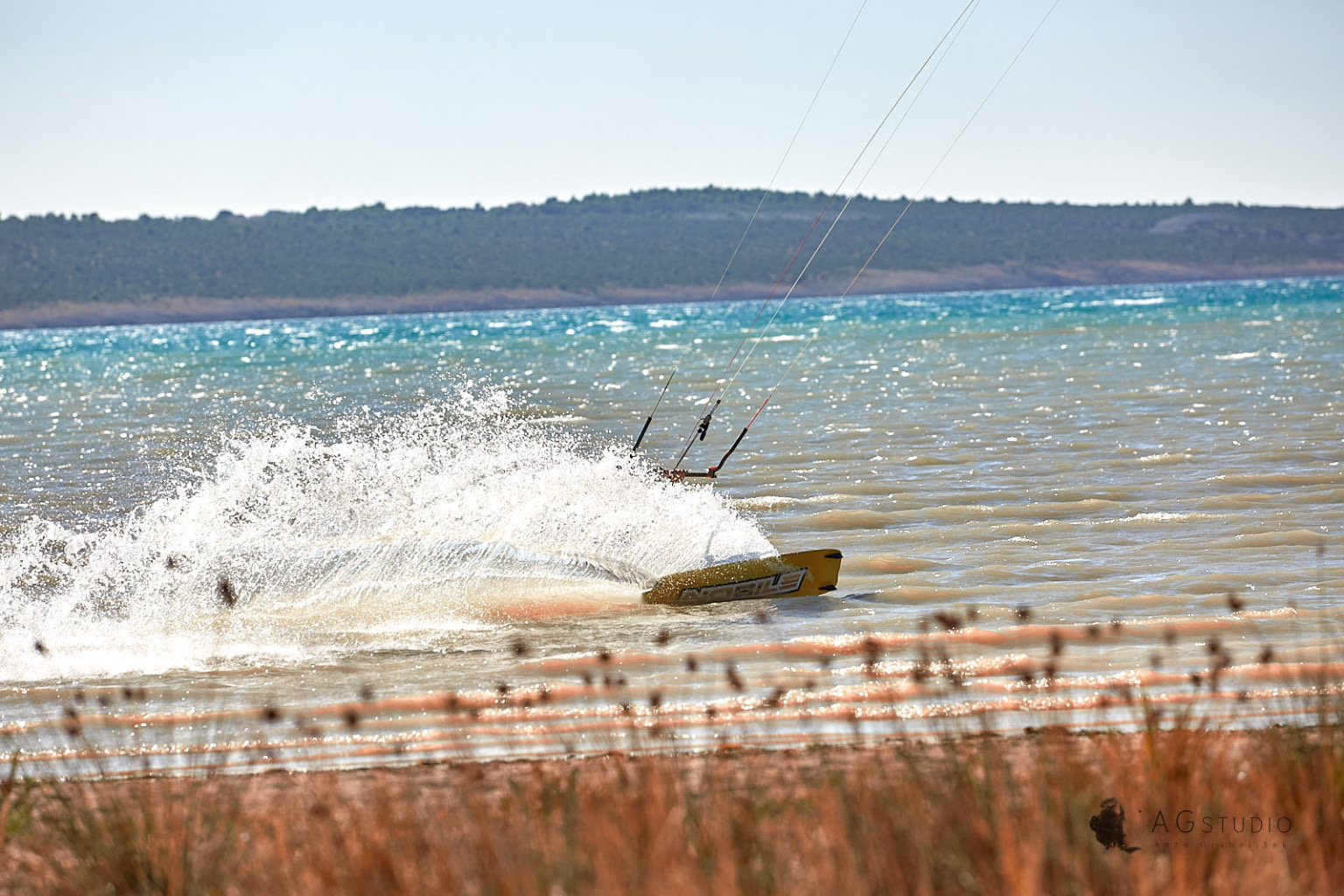
How a fast-moving water sport found a home along an old fishing coastline — and what to eat, drink and listen to between sessions.
From fishing villages to kite spots
Kiteboarding arrived in Croatia in the early 2000s. Twenty years later, schools have grown around the best bays — Ljubač, Bol, Pelješac, Viganj — without changing the character of the villages they sit in.
You still see fishermen heading out in the morning and kiters launching in the afternoon, sharing the same beach.
Food and drink between sessions
Eat local: peka (meat or octopus slow-cooked under a bell), fresh-grilled fish, prosciutto from Pag and Drniš, and island olive oil.
Drink local too: pošip and grk whites from Korčula, plavac mali reds from Pelješac, and a small rakija after dinner.
Festivals worth planning around
Zadar Sunset Festival, the Klapa singing festival in Omiš, summer nights in Diocletian's Palace in Split.
These run through the same months as the kite season, so it's easy to stack a session and a night out in the same trip.
A community, not just a sport
What stays with people who kite in Croatia isn't only the wind — it's the long beach dinners and the way the local crowd makes room for visitors.
Come once and you'll understand why so many riders quietly plan their summers around being here.
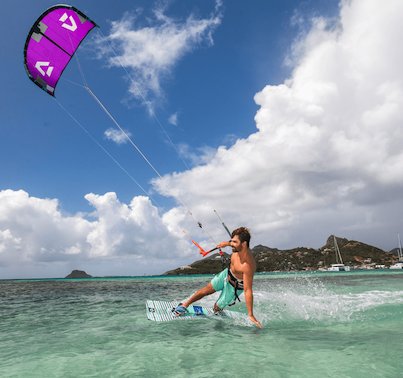
Why kiteboarding in Croatia?
Steady summer Maestral, glass-flat shallows and a coastline that doesn't quit. Here's why Croatia keeps showing up at the top of every European kite list.

Top 5 reasons to choose a kiteboarding school in Croatia
Stunning spots, dependable wind, certified instructors and a country built for a real holiday — five reasons to book your next kite trip in Croatia.
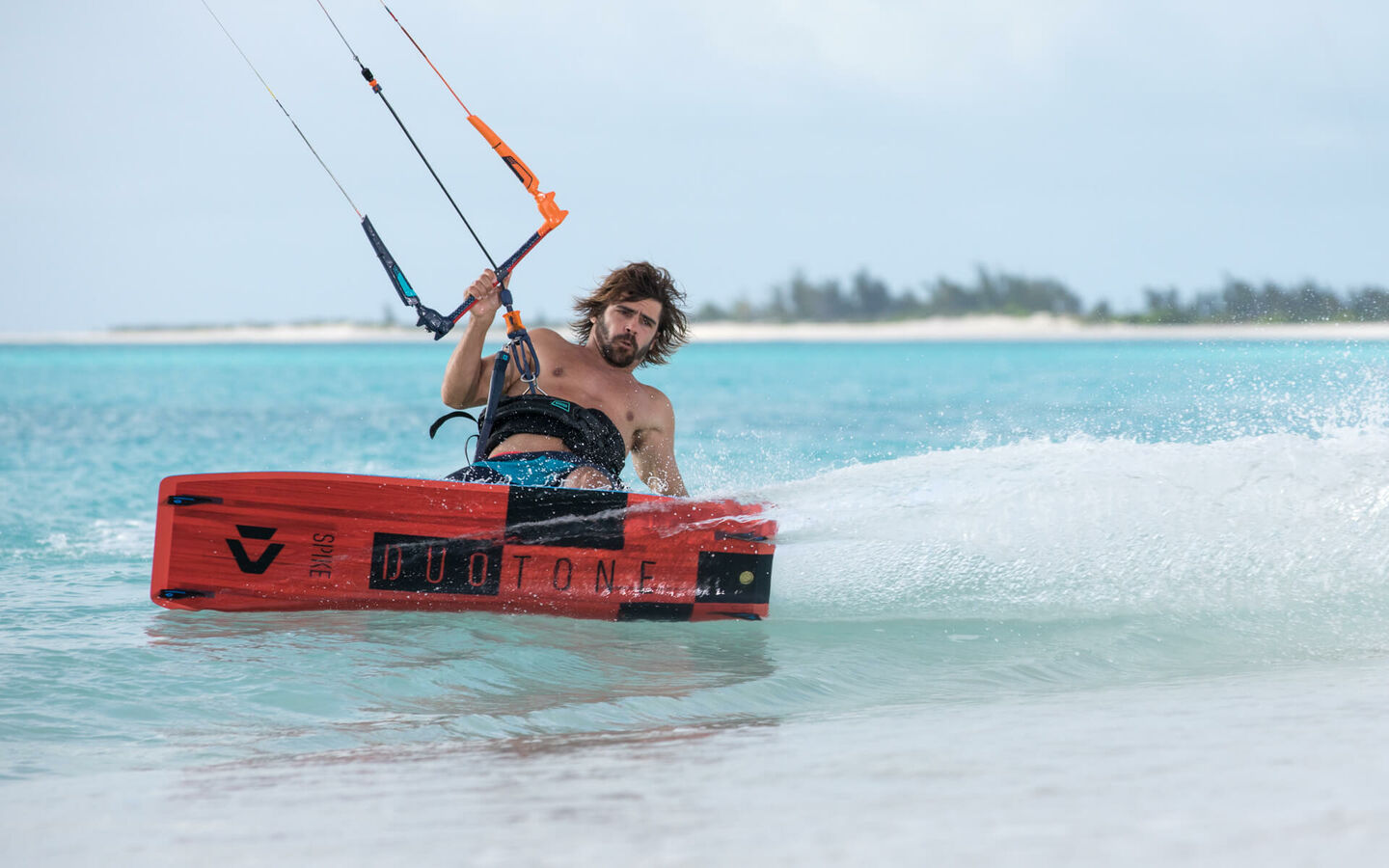
Best places to visit in and around Zadar
A short guide to what's worth seeing within an hour of our beach — Sea Organ sunsets, Krka waterfalls, Pag cheese and the Velebit mountains.