Why kiteboarding in Croatia?
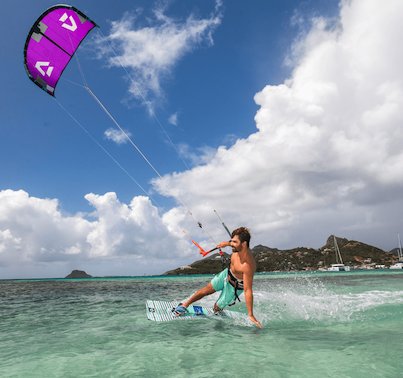
Steady summer Maestral, glass-flat shallows and a coastline that doesn't quit. Here's why Croatia keeps showing up at the top of every European kite list.
Reliable summer wind
Croatia's coast runs on the Maestral — a thermal NW wind that builds almost every clear summer afternoon between May and September.
It's a clean, predictable wind: not nuking, not gusty, perfect for learning and for long playful sessions. You can plan a trip around it and actually ride.
A coastline built for water sports
More than 1,000 islands and 1,800 km of coastline give you everything from butter-flat lagoons to open-sea downwinders.
Around Zadar in particular, you ride above turquoise water with the Velebit mountains in the background — the kind of scenery that ends up on your camera roll every single session.
Beginner-friendly water
The Ljubač bay near Zadar is knee-deep for hundreds of meters with a sandy bottom and no current. Falls are soft, restarts are easy, and progress is fast.
That's why so many people who try kiteboarding for the first time in Croatia stand up on the board within a single course.
More than a sport trip
Between sessions you have Roman ruins, national parks (Krka, Paklenica, Plitvice), island-hopping by boat and some of the best seafood on the Adriatic.
It's a holiday where the non-kiters in the group have just as much fun as the kiters.

Top 5 reasons to choose a kiteboarding school in Croatia
Stunning spots, dependable wind, certified instructors and a country built for a real holiday — five reasons to book your next kite trip in Croatia.
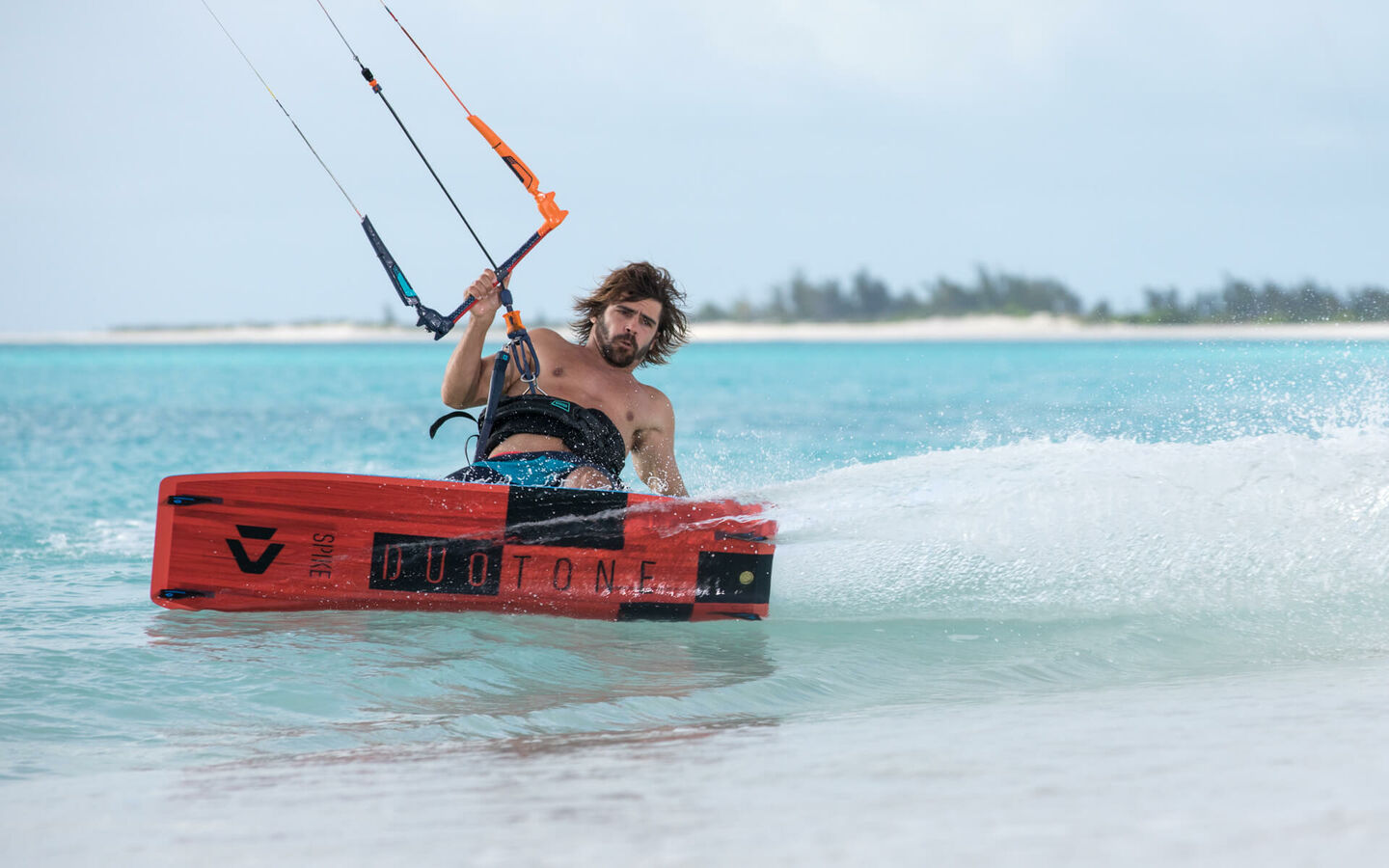
Best places to visit in and around Zadar
A short guide to what's worth seeing within an hour of our beach — Sea Organ sunsets, Krka waterfalls, Pag cheese and the Velebit mountains.
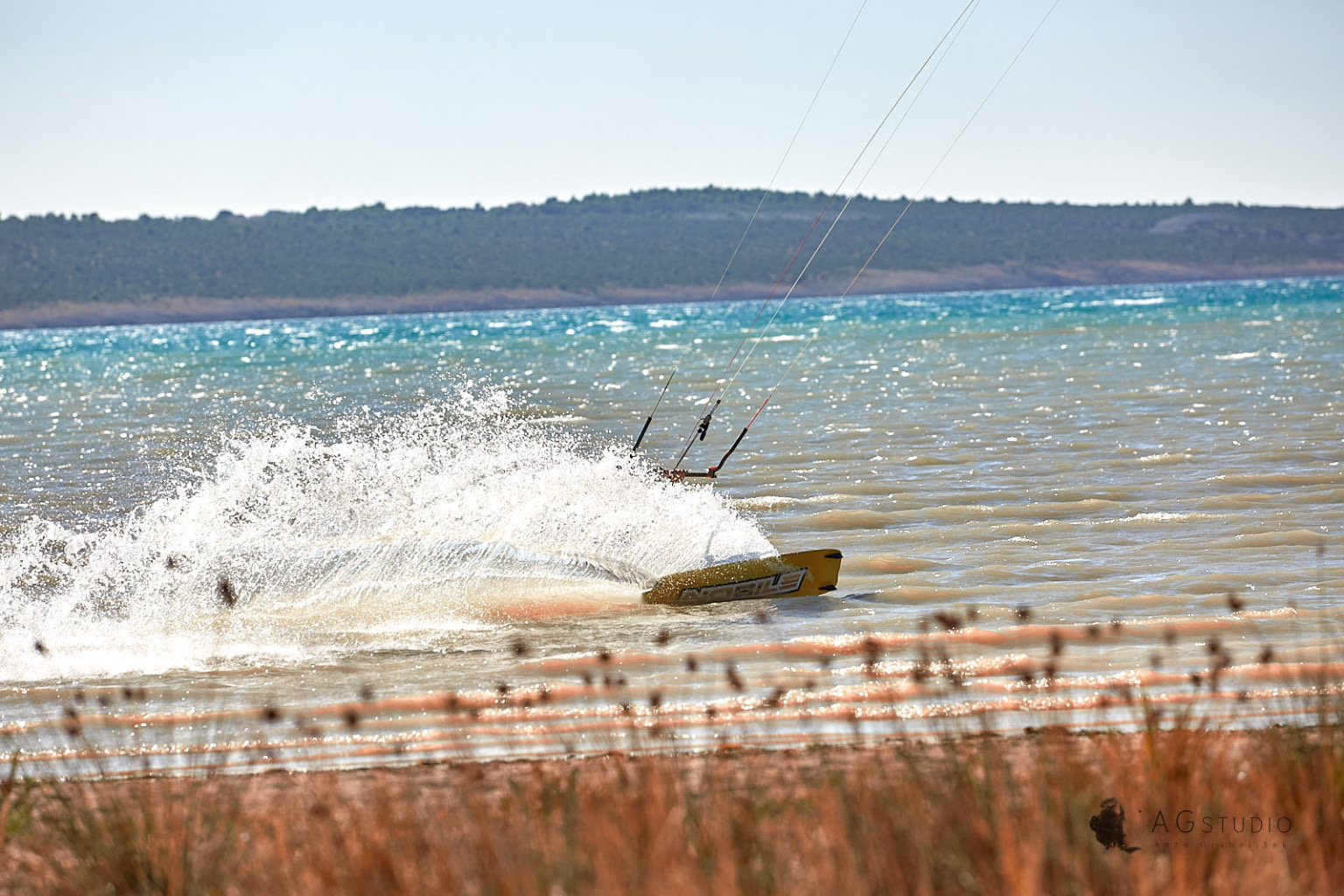
Kiteboarding and Croatian culture
How a fast-moving water sport found a home along an old fishing coastline — and what to eat, drink and listen to between sessions.